




In the first two years, your baby’s brain is busy — building connections, storing new experiences, and learning how the world works. A surprising amount of that progress happens while they sleep. Far from being a quiet pause, sleep is when the brain gets to work, sorting the day’s impressions and strengthening the pathways that support memory, attention, and learning.
Research from the American Academy of Pediatrics shows that newborn sleep and brain growth in babies are closely linked. During naps and nighttime rest, your baby’s brain is busy practicing and reinforcing new skills — from recognizing your face to making sense of sounds and patterns. It’s a vital part of how they become smarter, more attentive, and ready for each new stage of growth.
Understanding sleep’s role in baby brain growth
The connection between sleep and cognitive development in babies isn’t just a theory — it’s one of the most consistent findings in child development research. Sleep is when the brain, still busy from the day, begins its quiet behind-the-scenes work: strengthening connections, organizing memories, and fine-tuning skills learned in waking hours.
Two main types of sleep play starring roles here. In slow-wave sleep (SWS) — the deep, still stage — the brain focuses on consolidating facts and learned patterns. It’s as if each experience from the day filed away where the brain can find it again.
Rapid eye movement (REM) sleep, by contrast, is more like a messy, colorful workshop where new ideas bump into old ones: it’s thought to help with problem-solving, emotional processing, and linking memories together. Both stages are vital for brain development and repeat in cycles through the night and during naps.
Even in the early months, these cycles are already shaping sleep and memory in babies. By matching naps to the times your baby naturally starts to fade, you give the brain repeated opportunities to practice new skills, whether that’s tracking a moving toy or remembering the sound of your voice.
Age-appropriate sleep needs: finding the right rhythm for 0–24 months
Every baby has their own rhythm — I’ve known little ones who wouldn’t open their eyes before noon, and others who are up at six. Whatever time your day begins, and whatever routine works for your family, it’s important to keep an eye on the balance between sleep and wake time, and to note the total hours your baby sleeps in a day.
Those hours matter — for healthy development, for building logical connections, so the brain can turn today’s discoveries into tomorrow’s abilities. According to the National Sleep Foundation, here’s a guide to how much sleep your baby needs for brain development:
These ranges work for most babies, but of course, they can vary — especially during growth spurts, teething, or when your little one is busy mastering new skills. At those times, settling down for sleep can be harder. You may need a little extra time, patience, and the right comforting rituals — like the soothing, grounding sleep sounds from the AYA Sleeping Center.
By the toddler stage, sleep and development feed each other — longer stretches at night help consolidate more complex skills, while daytime rest keeps mood and focus steady for all that busy exploring. Caring for a child’s sleep can feel a lot like looking after a small, unpredictable garden. Some days you’re watering constantly, others you’re just pulling one stubborn weed, and then there are days where nothing seems to change — until, out of nowhere, it does.
How sleep shapes key cognitive skills
While your baby rests, their brain quietly sifts through the day — linking moments, tucking similar ones together, and flagging the ones that truly stood out. Some skills are right there on the surface, ready to appear the moment your baby needs them. Others stay in the background for a while, humming away until it’s their turn.
In slow-wave sleep — the deep, steady stage — the brain strengthens what it already knows: the color and shape of a beloved soft toy, the sound of a mother’s voice, the softness of a pet’s fur. It’s the solid layer your baby will build on — a bit like adding the next wobbly block to their favorite tower.
During the lighter, shorter stage of sleep, the brain connects ideas, processes emotions, and links them to memories already in storage. Parents often notice that right after a short nap, their baby suddenly shows off a new trick — a sound, a smile, a game — as if they’d been practicing in secret.
Sometimes the work of sleep is unhurried and quiet, almost invisible at first, yet it shapes a child’s ability to explore and take new steps in development: focusing on a toy, studying the features of your face, or remembering the rhythm of a favorite song.
Memory & language development
When we talk about sleep and memory in babies, we’re not just thinking of facts and events — for a baby, memory includes recognizing familiar voices, remembering the feel of a favorite toy, and linking sounds to meaning. Deep sleep stores these moments and arranges them, so your baby can reach for them again — the sound, the touch, the meaning — when they need them.
Many parents notice that language learning, too, depends on rest. The brain uses quiet time to practice what it’s heard. Those babbles and first words don’t just appear; they’re practiced quietly while they rest, connections forming between sound, movement, and meaning.
Focus, creativity & emotional regulation
A baby who’s had a good sleep doesn’t just wake up — they arrive in the day. Their gaze lingers longer on your face, their hands explore a toy with real curiosity, and they can follow a rolling ball without losing interest halfway through. With patience comes space for learning, and sleep is what builds that patience.
It also gives their emotions a softer landing. For toddlers especially, rest can be the quiet difference between a small sigh and a tearful meltdown when the block tower falls or the shirt won’t quite go over their head.
And in the colorful world of REM sleep, their brain gets to play too — linking ideas, dreaming up new possibilities, and sometimes sending you those magical surprises that seem to appear out of nowhere, like a brand-new word or an inventive new game.
Spotting sleep setbacks — and what they mean
Even a well-established daily rhythm can hit bumps when sleep regressions arrive or age-related changes call for a new routine. Sleep deprivation — when missed rest builds up and makes it harder to fall asleep just when it’s needed most.
It can happen if daytime naps become too short to allow proper recovery, if bedtime drifts too late, or if your child often wakes at night and struggles to settle again. The effects often creep in slowly: at first, you might not notice much, but over time your baby may become more irritable or react with frustration to things they once enjoyed.
Every baby has their own rhythm, but within each period of wakefulness there’s a special “sleep window.” This is the moment when they’re not yet too tired to become overstimulated, but have already seen and done enough to be ready for a break. Catch that window, and settling them to sleep will take less time — and the rest they get will be deeper and calmer.
It’s important to notice the signs of sleep readiness before tiredness turns into tears — when your baby rubs their eyes, grows irritable, loses interest in things that moments ago held their attention, or stares off with a distant look.
And don’t assume that skipping a nap will make bedtime easier — an overtired brain produces cortisol, the stress hormone, which only makes it harder for an overstimulated baby to settle. By paying attention to your baby’s early signs of fatigue and recording them in the AYA tracker, you can stay closely in tune with their unique daily cycles and needs.
Actionable strategies for better baby sleep
It may sound surprising, but even a basic need like sleep has to be learned — and it’s not taught in a single lesson, but through a whole series of consistent, logical, and predictable actions. As we’ve already discussed, it’s about building a routine, creating bedtime rituals, noticing the first signs of tiredness, and setting up a comfortable environment for sleep.
Build a soothing pre-sleep routine
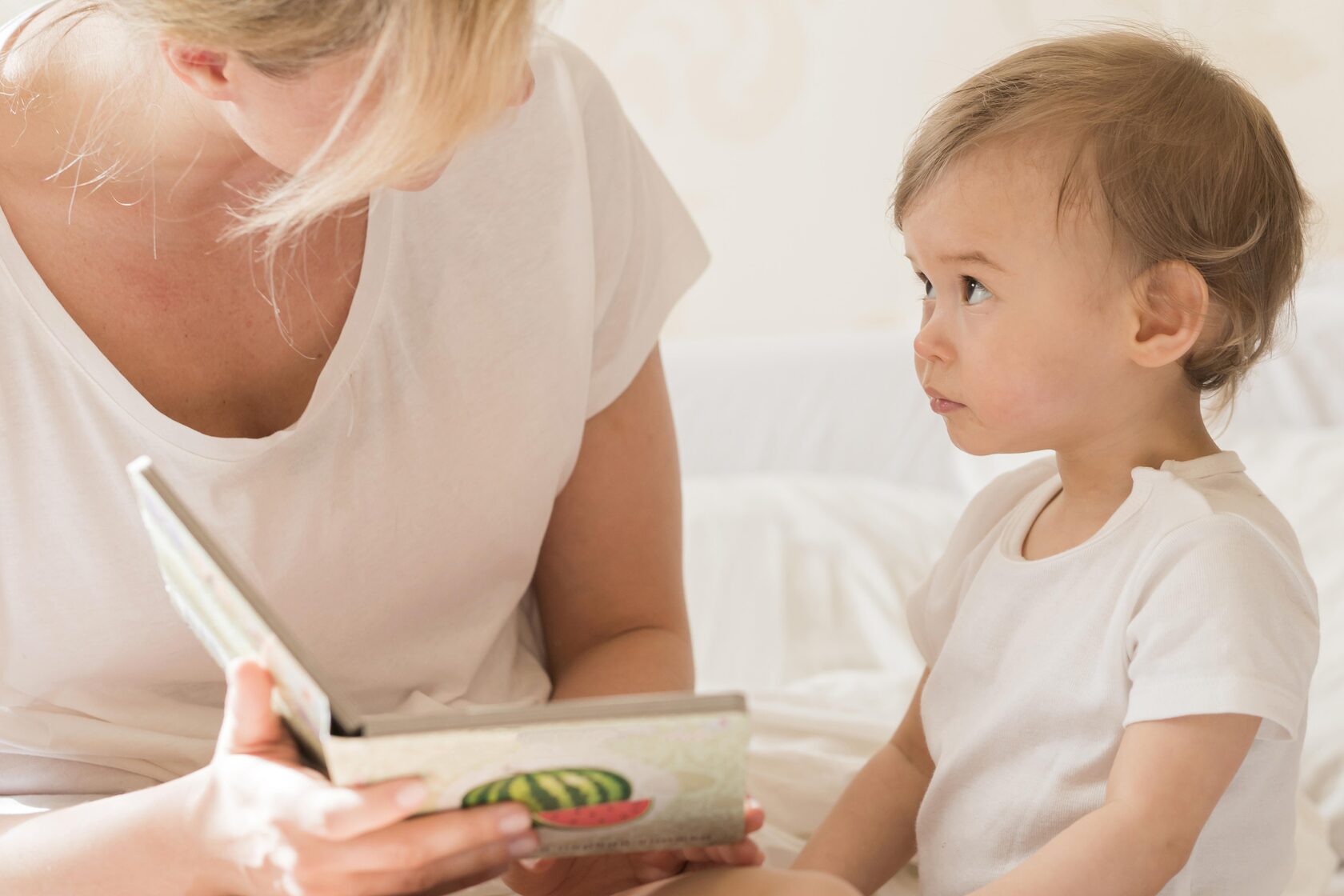
Here, you’re free to choose whatever feels comfortable and enjoyable for you — reading a story before bed (yes, even for babies, as it lays the groundwork for future speech), playing calm melodies (if you don’t have the energy to sing every night, you can use collections of soothing sounds), or a lavender-scented bath (you can even hop in together).
It’s less about what exactly you do, and more about keeping it consistent and predictable. It’s the steady sequence of repeated actions that gives your baby a clear signal: when this happens, it’s time to sleep. At first, it works on instinct — later, it becomes a pleasant, conscious family ritual.
Control light, environment & schedule
The most comfortable sleep temperature is around 20–22°C (68–72°F), with fresh air in the room. If daylight lasts longer than your set bedtime, use blackout curtains — darkness helps trigger the production of melatonin, the sleep hormone.
You can lower the curtains for naps as well, but it’s important to make sure your baby doesn’t start confusing day and night. It’s best if the bedtime and nap routines feel different — for example, lowering the curtain halfway during the day to keep the light soft and muted, and reserving complete darkness for nighttime sleep.
Gentle, even background noise can also help your baby sleep — white, pink, or brown noise all work in the same way, differing only in tone and intensity, from softer and smoother to more pronounced. Rocking in a stroller can also be very effective for helping a baby drift off, but be aware that it can create a habit — your little one may start needing that same motion for other naps as well.
You set the rhythm of your own life, and when a baby arrives, they become part of that flow — a member of the family whose schedule you shape together so it works for everyone.
The most important thing is to protect their daily sleep needs and create healthy rest habits. With enough restorative sleep, your little one can grow, learn, and greet you more often with those curious eyes and that delighted smile when they make a brand-new discovery.