




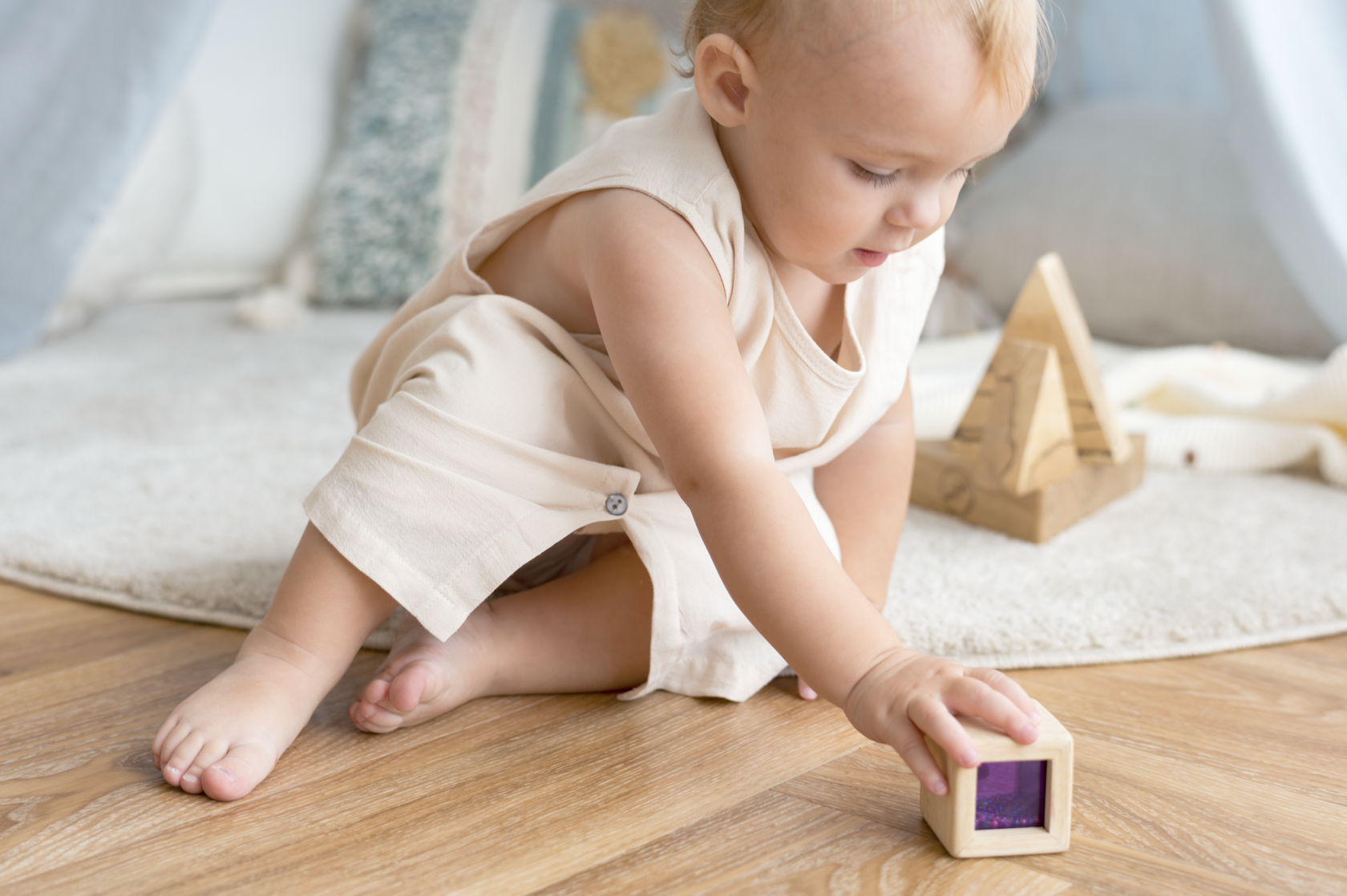
For a child, play isn’t just a way to pass the time — it’s as vital as food or a loving embrace. But baby play doesn’t look the way we often imagine it. Newborns don’t always need toys or flashing gadgets. What they really need is you: your voice, your calmness, your open heart and warmth.
When you hum a tune under your breath while changing a nappy, or hand them whatever’s nearby — a wooden spoon, a soft washcloth — you’re already playing. That’s your baby taking everything in — the feel of a towel, the texture of your shirt, the sound of your voice. Moments like these are how babies learn, even when it doesn’t look like much, it’s all part of their development.
This article offers simple play ideas for busy parents to spend real, connected time with your baby — supporting their growth and helping them feel safe in the world.
Does it really matter how a newborn plays?
Yes, for babies, all their waking hours are play — but don’t let the word fool you. This kind of play is serious work. It takes energy, focus, and a surprising amount of effort. Babies soak in everything in the surroundings, sort it, reflect on it, and begin — in their own quiet way — to explain the world to themselves. And all of that happens even when they are just lying still, staring off into space.
Every sound, every new texture under their fingers, a sudden shift in lighting when the sun ducks behind a cloud or someone draws the curtains — all of it is information. It composes cause-and-effect learning games. It helps babies test their coordination and understand how the world responds to their needs.
Even when they’re just resting in your arms, it’s not just comfort they’re feeling. It’s trust in the making. They’re syncing with the rhythm of your heartbeat, learning what safety feels like, beginning to grasp the idea of predictability. And only when a child feels that steadiness — that calm, loving presence — can they truly open up to learning. Not through drills or structured tasks, but through connection, curiosity, and trust.
Gentle play ideas for newborns (0–3 months)
The first days and months of a baby’s life lay the foundation for how they will perceive the world. At the heart of this foundation are attachment, calm, a nurturing environment, and gentle, ongoing involvement from a trusted adult. A familiar voice, the feel of familiar hands, your steady presence at any moment — this is why the first three months are often called the “fourth trimester”.
Skin-to-skin contact between parent and baby creates not just warmth, but deep emotional bonds and essential sensory play for babies — ones that are unique for every child. During these quiet moments, it’s helpful to let your baby explore your face. Change your expressions, respond to their emotional cues, and always end the exchange with a smile. It teaches them that connection is safe, joyful, and worth repeating.
Sing, narrate your actions, lean in close so your baby can see how your lips move as you speak. These are the building blocks of speech development — planted long before the first word is spoken.
One of the most natural ways to help your baby explore is to place them on their tummy. At first, this might mean laying them on a firm surface beside you, or on your chest, supported by a soft blanket. Stroke their back, talk gently. These moments help build muscle strength in their neck, shoulders, and arms, encouraging motor skill development in babies they’ll soon need to roll, reach, sit, and crawl.
High-contrast images — bold black-and-white shapes with clear outlines — are also great at this stage. They help babies start to notice shapes and details, training their eyes to recognize form and contrast.
Baby-safe household items for everyday play
Many parents believe that the best toys aren’t expensive — they’re the everyday household items we all have within reach. The key is to use a bit of adult imagination and make sure the items are completely safe for little hands. A long, soft scarf floating through the air? A crinkly packet? A toy hidden “in its house” under a hat? Even a measuring cup and spoon can become the start of a whole play adventure.
All of this is creative play with household objects — learning through touch, texture, and exploration. It helps build body memory and teaches that the world is full of variety. Curiosity is what drives development forward, so let’s nurture it — and who knows, we might even rediscover a bit of joy and wonder ourselves in the process.
Engaging play for young infants (3–6 months)
As babies grow, they begin to reach out toward the world, shifting from passive observers to active participants. They start reaching, grabbing, pushing, and making different sounds to express different emotions — early signs of more intentional communication.
This stage is the perfect time to begin supporting their cognitive development through play in a natural, intuitive way, following their curiosity and drive to explore, and gently guiding it in the right direction.
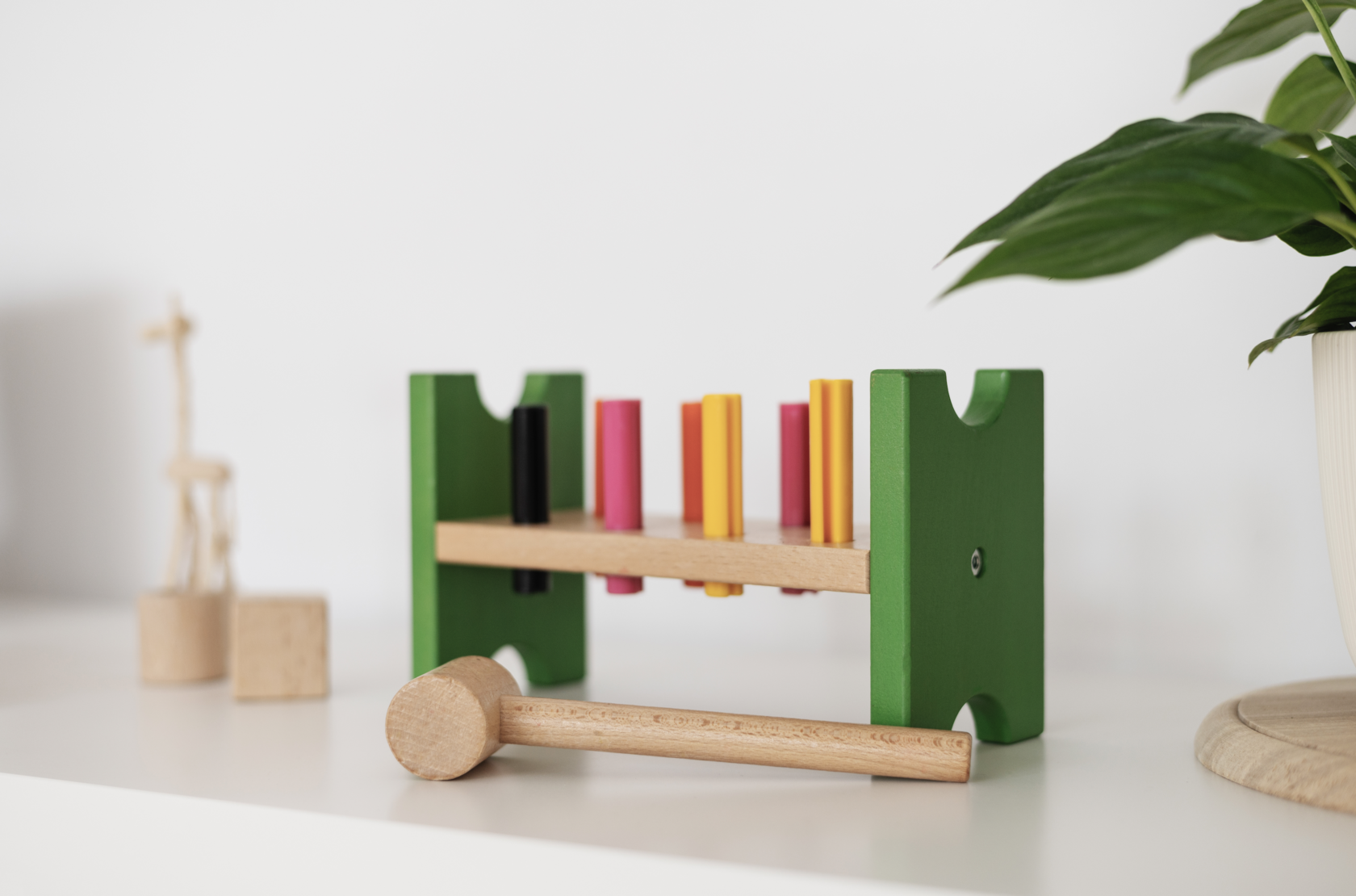
Toys that squeak or make noise when pressed can capture a baby’s attention. They might try to touch or hit the toy to make it sound again — a first step in learning about cause and effect. The baby starts to realize that their actions can have an impact on the world and they can even change things and make something new happen.
Another favorite activity at this age is discovering the mirror. Babies are often mesmerized by their own reflection, watching their face change as they move. Over time, this helps them to make a slow but meaningful step in developing a sense of self. Even if they don’t recognize themselves right away, mirrors help babies practice focusing, noticing, and building early social skills.
To support these social skills, it’s important that caring adults reflect the baby’s emotions, talk to them, respond with smiles, and show they’re being seen. This kind of emotional mirroring helps babies start to understand themselves.
And of course, just like at any age, it’s important to make time for age-appropriate physical activity — gentle, calm, and filled with positive emotions. Soft leg movements, like pedaling a tiny bicycle, or playful arm “dances”. Babies naturally shift positions and want to see the world from new angles — support them gently and let them explore.
Letting your baby lead vs. guided exploration
Follow-the-leader play with babies means watching their cues and interests, then responding in ways that honor their natural curiosity. If your baby seems fascinated by a wooden spoon, you might tap it gently on different surfaces to create new sounds, rather than redirecting them to something else.
When letting your baby lead, position yourself as an interested observer and gentle companion. Narrate what you see them doing: "You're shaking that rattle so carefully" or "I see you looking at the light on the ceiling". This builds language while validating their choices.
For guided exploration, offer materials thoughtfully and then step back. Place a few interesting objects within reach and see what captures their attention. When they make a choice, join them in exploring that item fully before introducing something new. This approach builds autonomy while maintaining connection.
Supporting learning through play (6–12 months)
In the six-to-twelve-month period babies make remarkable progress in both physical and cognitive achievements. They start to crawl, roll willingly from back to tummy and back again, pull themselves up to stand, and even take their first independent steps. Their hands are free, their view of the world expands, and so does their desire to explore — reaching beyond the familiar corners of the room.
At this point, it’s no longer safe to leave them alone, as they’ll start moving from room to room and getting into places that were previously out of reach. It’s the perfect time to move any hazardous objects up to higher shelves — and keep everything below safely organized.
To encourage healthy muscle and spine development, give your baby space to develop through each stage naturally. Crawling, for instance, is a key milestone that helps build coordination and strength — don’t rush past it. You can also start encouraging more complex movement by placing interesting toys just beyond their easy reach — this motivates your baby to stretch a little farther.
Ideal toys for this stage include nesting cups that can be stacked into towers, textured sensory balls that can be rolled, caught, or tapped, soft blocks, containers with lids, blanket tunnels, and swaying toys. The same toy can be used in different ways — playing catch with rolling balls, teaching your baby to tap them with an open palm, or simply letting them feel different surfaces.
Babies also love to mimic the actions they see — clapping, waving, and repeating simple sounds. Play along with songs that use hand motions, peekaboo, or let your toddler help with simple, safe chores.
Active discovery and sensory play
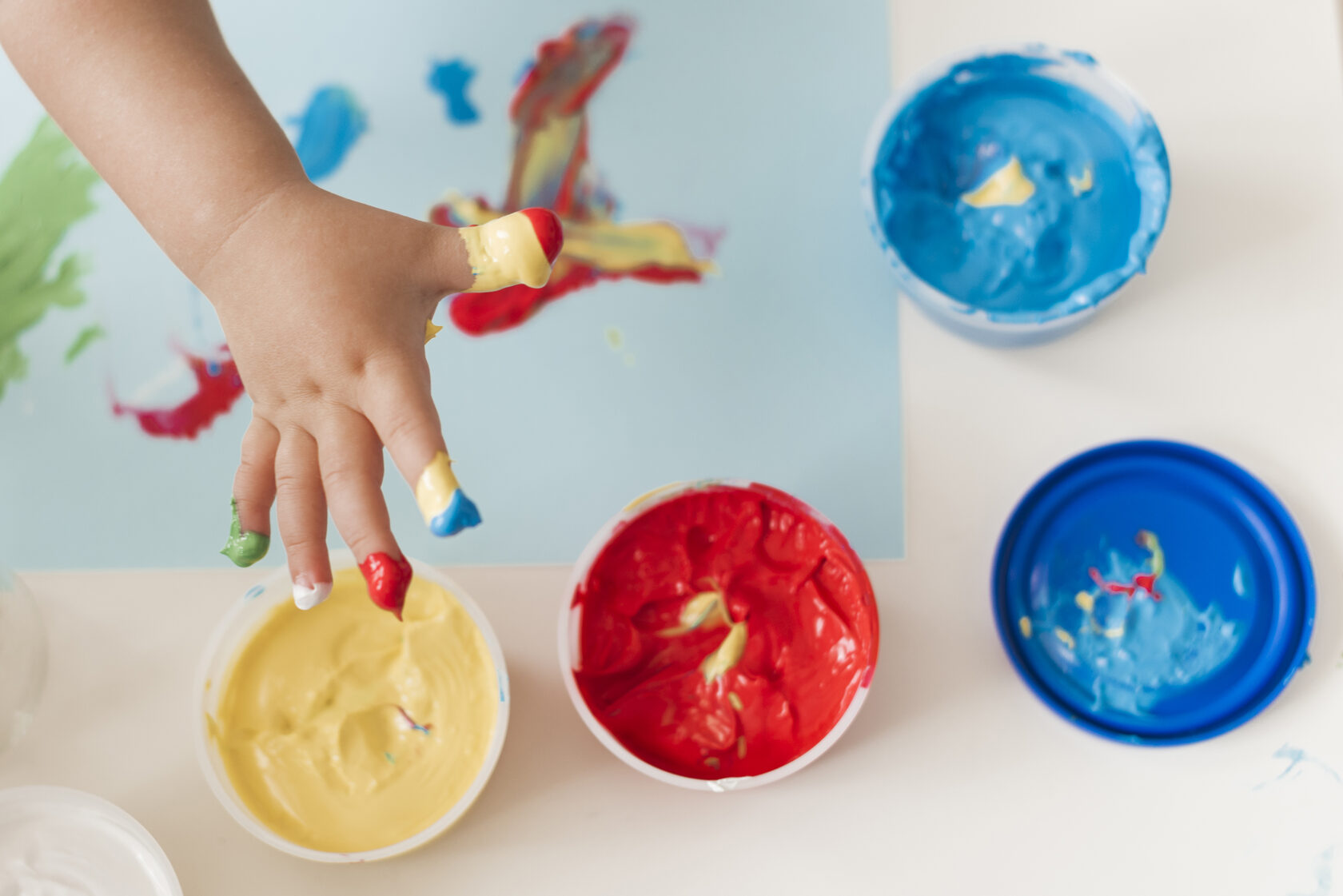
Toddlers understand things by getting hands-on — whether they’re stacking blocks, pouring water, or squeezing dough. Putting objects into containers and dumping them out builds coordination and grip strength. Playing with water, sand, or dough keeps their hands busy and helps them practice small, precise movements.
Sound and rhythm appeal to them too — toddlers love to bang on pots, stomp around, or clap to the beat. Still, even active toddlers benefit from calm activities. Calming sounds from AYA Sleep Center or a few gentle picture books before bed can help them settle down — they ease your child into rest and quietly grow their vocabulary, one page at a time.
Encouraging independence through guided play
As your baby's skills develop, you can start giving them short moments to have solo play time. Lay out a few safe, engaging toys on a blanket or play mat, then take a step back. Let them poke around, check things out, and figure things out in their own way.
Toddlers thrive with freedom, as long as it’s offered within clear, safe boundaries. Once that space is set, let them take the lead — choosing what to touch, where to crawl, how to test their tiny theories. When you step back calmly, your baby senses that you trust them — and that you’re nearby if they need you.
How to create a sensory-rich play space at home
You don’t need fancy toys — your home already has plenty of things that spark curiosity. To a baby, a wooden spoon is a drumstick. A colander? A noise-maker with endless tiny windows, and a simple cardboard box… well, can you guess? Offer it to your baby and watch their response — they’ll surprise you.
That patch of sunlight on the rug, a crinkly paper bag, your red slippers — they’re all an invitation to explore. Toys that engage your child's curiosity to explore cause and effect are especially valuable: If I put it here, it falls… what if I move it slightly? Let's see how this goes.
Rotate familiar objects, turn them in different directions. If your baby isn’t crawling or walking just yet, try switching up the high-contrast pictures in their crib. Remember — more isn’t always better, but a bit of variety greatly expands their world.
Matching play to baby’s development — not just age
Every baby grows in their own time, with their own rhythm, temperament, interests, and opinions. Instead of following the calendar, try following your baby — their mood, their pace, their cues.
Some little ones love to study toys in detail, slowly and carefully. Others charge ahead, exploring the world through big physical leaps. Watch closely: what truly delights your child? These early preferences are already shaping their sense of self — their habits, their confidence, their trust in being allowed to choose.
When we meet a child where they actually are — not where a chart says they should be — we create space for play that feels appropriately challenging: stimulating without overwhelming and frustration.
How to know when your baby's ready to explore new kinds of play
Babies won’t tell you outright when they’re ready to try something new — but their behavior will. A toy they couldn’t get enough of last week might suddenly make them restless. Something that used to calm them might now lead to fussing or boredom.
These small shifts often signal that your baby’s ready for something different — maybe they’re ready for a slightly harder activity or just a new version of something they already enjoy.
Fussiness sometimes is how babies show they’re in the middle of a leap — growing, changing, looking for more. It might look like a bad mood, but underneath it, there’s often a leap, and your baby’s way of saying, “I’m ready for more”.
If you catch them following a toy with their eyes, that’s a cue to gently build on it. You might move a toy slowly side to side, or bring out a swaying mobile to catch their attention. These quiet games strengthen focus, little by little.
When they start echoing your voice or replying to your words with bubbling babble, respond like you’re having a real back-and-forth. Sing with them, take turns, and let their sounds lead the way. Use hand gestures or motions that match the lyrics — soon your baby might copy them and join in. Pause when they pause. Answer their sounds like they’re sentences — because to them, they are.
Once your baby learns to sit up on their own, their world widens. They can reach, grab, and examine with more purpose. And when they begin pulling up to stand, that’s a good moment to put out soft furniture or cushions they can safely pull up on and cruise between. Over time, you can space the supports farther apart to encourage those bold, wobbly first steps.
Pointing is another sign they’re ready to connect in new ways. When they point, they’re asking to know — to name, to share. Grab a favorite picture book, cuddle close, and name the things they point at together. These naming moments might feel like play, but they’re laying the groundwork for real language.
Keep an eye on how their hands move. If they start reaching with clear intention, passing toys between hands, or using two fingers to pick up tiny things, they’re probably ready for more intricate play.
Fine motor fun: easy games for growing skills
If you notice your baby using two fingers to pick up small things, it’s time to try some new games. Here are a few simple ones to start with:
- Give your baby tiny, soft finger foods they can pick up and taste — peas, bits of banana, rice puffs.
- Try containers they can fill and spill, again and again.
- Offer toys with little knobs or handles, or safe pieces they can sort and slide into place
- Let them explore textures — sticky, bumpy, smooth — with their fingertips.
- Stack simple blocks together, then knock them over in delight.
At first glance, these might seem like simple games — but for your baby, they’re also powerful ways to learn how the body and world work together.
Takeaways: expert-inspired infant play ideas
Babies feel safest when life unfolds in familiar ways — when the people they trust are close, noticing the little things, and ready with a hug or a quiet word when something’s not quite right. Knowing you’re there helps them feel safe enough to try new things — and come back when they need comfort.
More than anything, it’s your presence that matters. Your attention helps your child focus, build new skills, and feel reassured — just being nearby, showing interest, or offering a calm smile can give them the confidence to keep going.
Developmentally appropriate play isn’t about rigid milestones or one-size-fits-all activities. Every child has their own pace, temperament, and unique interests. The best way to support them is to observe closely: let their behavior guide you.
Sometimes, that means stepping back and simply letting them be. Other times, your gentle involvement can turn a moment into meaningful connection — so long as it feels good for both of you.
It’s also essential to create a safe space for exploration, without limiting their curiosity. Offer boundaries that protect without confining. Trust your intuition, trust your child, and above all, offer your love and attention freely. That’s the true foundation for secure attachment, steady development, and future confidence.